Estyn -

Postiadau Diweddaraf


Postiadau Diweddaraf


Child in a school uniform holding up a book in a library, with another child and bookshelves filled with books in the background.

A blog by HMI Anthony Jones.

Whether you work in schools or have been following the news, you’ll know that improving reading skills is a key priority across Wales. From the early years, right through to post compulsory education, reading is vital for improving the life chances and success of the people of Wales and it’s an integral part of our work at Estyn. 

From our work on inspection, we know that there is effective practice in all sectors, but variability in provision means that too many learners are not fluent or advanced readers by the time they leave school or further education. Research tells us that this affects a young person’s life in numerous ways including: 

  • Long term economic hardship  
  • Higher risk of involvement with the criminal justice system 
  • Poorer health management  
  • Perpetuating the cycle of poverty 
  • Loss of independence and social withdrawal  
  • Preventing progress in all stages of education  

Estyn is committed to playing an active role in improving standards of reading and from September 2026 will have a three-year enhanced focus on reading.  

What is Estyn doing differently in the ‘three-year enhanced focus’? 

To support Wales and education in breaking this cycle, Estyn have adapted our activities in the following ways: 

  1. Reading is a priority on every core inspection for nearly all providers  

Estyn has always considered the quality of reading in the different sectors we inspect and we will continue to look closely at the progress learners make in reading at all stages. We will enhance the way we look at this and develop inspection activities to support us to gather evidence and report more clearly about the standards of children and young people’s reading skills.  

  1. There will be a sharper focus on the quality of provision for reading 

We understand that the most effective examples of teaching and learning in reading involve a range of different methodologies. In light of this, our enhanced focus will look at the approaches providers have chosen to develop reading and how well these are supported in Welsh and English lessons and across the curriculum. we will look at how well providers promote and support a culture of reading for pleasure and success.   

  1. We will consider how well leaders secure improvements in the provision for and standards of reading 

We will have discussions with leaders about how they have prioritised and planned to improve reading and will consider the impact this work has had on improving provision and standards.   

  1. Highlight strong practice and support for improving reading 

Alongside inspection activity, Estyn will share insights from what’s working across Wales and continue to publish materials, podcasts, findings from thematics and examples of effective practice to support providers to improve. 

So what is working so far in improving reading? 

Where we see strong practice on inspection for reading:  

Leaders… 

  • Prioritise improving specific aspects of reading based on their pupils’ needs 
  • Evaluate provision for reading based on its impact on learners 
  • Target and adapt resources and follow up actions on areas in most need of improvement  
  • Have a strong focus on improving the teaching of reading in Welsh, English and relevant areas across the curriculum  
  • Ensure professional learning helps teachers to develop learners’ reading skills 
  • Promote a positive culture of reading for pleasure and for learning  
  • Ensure all staff understand their responsibility in developing reading  

Teachers… 

  • Plan authentic and purposeful opportunities for learners to develop and improve their reading skills 
  • Use challenging and relevant reading materials that support both subject and skills development 
  • Deploy a range of different reading approaches that are adapted to their learners’ needs  
  • Support the development of a positive reading culture by modelling the joy of reading 

These factors ensure learners make progress in reading and staff have a strong understanding of effective teaching methods which are matched to individual needs. Estyn will continue to share updates and examples of this in the future.  

Continuing the conversation – where next? 

Reading is the foundation of all learning and Estyn is committed to supporting school and settings with this. You can visit our website for the most up-to-date information around Estyn’s approach to reading and make use of different materials to enhance your approaches to reading. 

Useful links 

Podcast – Overcoming Challenges in the Teaching of Reading 

Estyn Live – The reading journey in the primary sector

Literacy, numeracy and digital skills in adult learning in the community – Estyn  

The co-ordination of the provision for the progressive development of pupils’ skills – Estyn  

‘Literally everything’ – realising the full potential of a school’s library. – Estyn   

English language and literacy in settings and primary schools (Estyn, 2021)   

Caffael yr iaith Gymraeg (Estyn, 2021)   

Developing pupils’ English reading skills from 10-14 years of age (Estyn, 2023)   

Datblygu medrau darllen Cymraeg disgyblion 10-14 oed (Estyn, 2024)   
Postiadau Diweddaraf


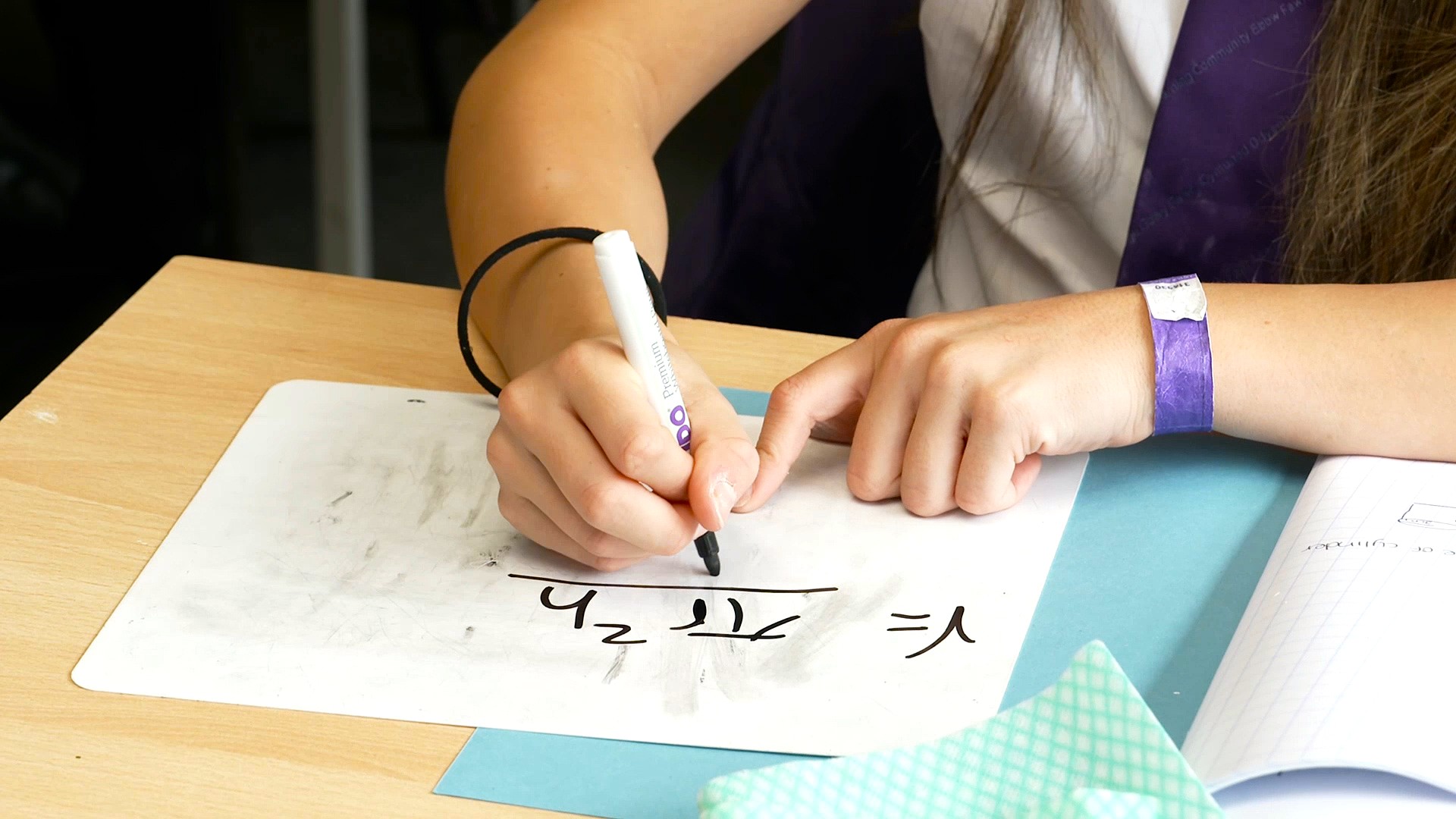
Close up image of a pupil's hand writing a maths equation on a small whiteboard.

A blog by Estyn inspector Gari Jones

Strong numeracy skills depend on high-quality mathematics teaching.

It has been a particularly busy year for the mathematics team at Estyn. Although we do not inspect mathematics as a standalone subject, numeracy is a key part of every inspection. We firmly believe that strong numeracy skills depend on high-quality mathematics teaching. For this reason, during our visits to schools we look closely at how well pupils progress in mathematics lessons and how effectively they apply these skills to solve problems, both within mathematics and across the wider curriculum.

At Estyn, subject specialism is important. This is a key consideration when recruiting inspectors, and within the secondary team we have several colleagues with a strong background in mathematics. Wherever possible, we aim to ensure a balance of subject expertise on inspection teams. Whilst our core inspection work always includes consideration of mathematics and numeracy, the past 18 months have seen an increased focus on the teaching of mathematics in particular.

A national picture of mathematics education:

Too many pupils are not making the progress they should in mathematics.

Last year, we were asked by Welsh Government to carry out a thematic survey into the quality of mathematics education for learners aged 9 to 16. A team of inspectors, led by Nicola Thomas HMI, visited schools across Wales and drew on evidence from core inspections to build a national picture.

What we found was mixed. In some schools, pupils clearly enjoyed mathematics and benefited from confident, engaging teaching. However, overall, too many pupils are not making the progress they should. This mirrors what we often see during routine inspections.

One of the most valuable aspects of the visits was the opportunity to speak openly with teachers and heads of mathematics. These professional conversations were honest and thoughtful, particularly around the support available for mathematics teaching in Wales. We also identified examples of effective practice that could be shared more widely and included these as detailed case studies in the final report.

Key findings and shared practice:

The report is essential reading for everyone involved in mathematics education in Wales.

The report concluded that, despite the commitment of teachers, standards in mathematics in Wales are too low. Three key issues emerged:

  1. variability in the quality of teaching,
  2. a lack of clear national expectations,
  3. and insufficient mathematics-specific professional learning.

The report, available on our website, sets out the features of effective and less effective mathematics teaching and includes practical case studies. We later revisited some schools to film examples of strong practice. These videos show strategies such as diagnostic questioning, effective use of mini whiteboards, purposeful questioning to deepen thinking, and the use of variation to help pupils recognise patterns and structures.

Continuing the conversation:

Driving standards in the teaching of mathematics.

In December, we held an Estyn Live event where schools shared effective practice in the teaching of mathematics, identified during inspection. We also recorded podcasts in English and Welsh with teachers and experts discussing the report’s key messages.

In February, Nicola and I will be leading professional learning events across Wales for secondary teachers and heads of mathematics on our ‘Maths Roadshow’ in partnership with Dysgu. These sessions will explore the report’s findings, share effective strategies and support teachers in evaluating pupils’ mathematical skills.

There is still time to register for a place if you have not already.

It has been an intense but rewarding period. Focusing on mathematics has reinforced just how vital high-quality teaching is in raising standards and improving outcomes for learners across Wales. We look forward to continuing our work within the system to support practitioners and drive standards in the teaching of mathematics.

Relevant links:

Unlocking potential: Insights into improving teaching and leadership in mathematics education – Estyn

Mathematics Video Resources – Estyn

‘Maths Roadshow’ in partnership with Dysgu

Sgwrs Podcast: Thoughts on the teaching of Mathematics in Wales – Estyn

Estyn Live: Insights into improving teaching and leadership in mathematics education

Postiadau Diweddaraf


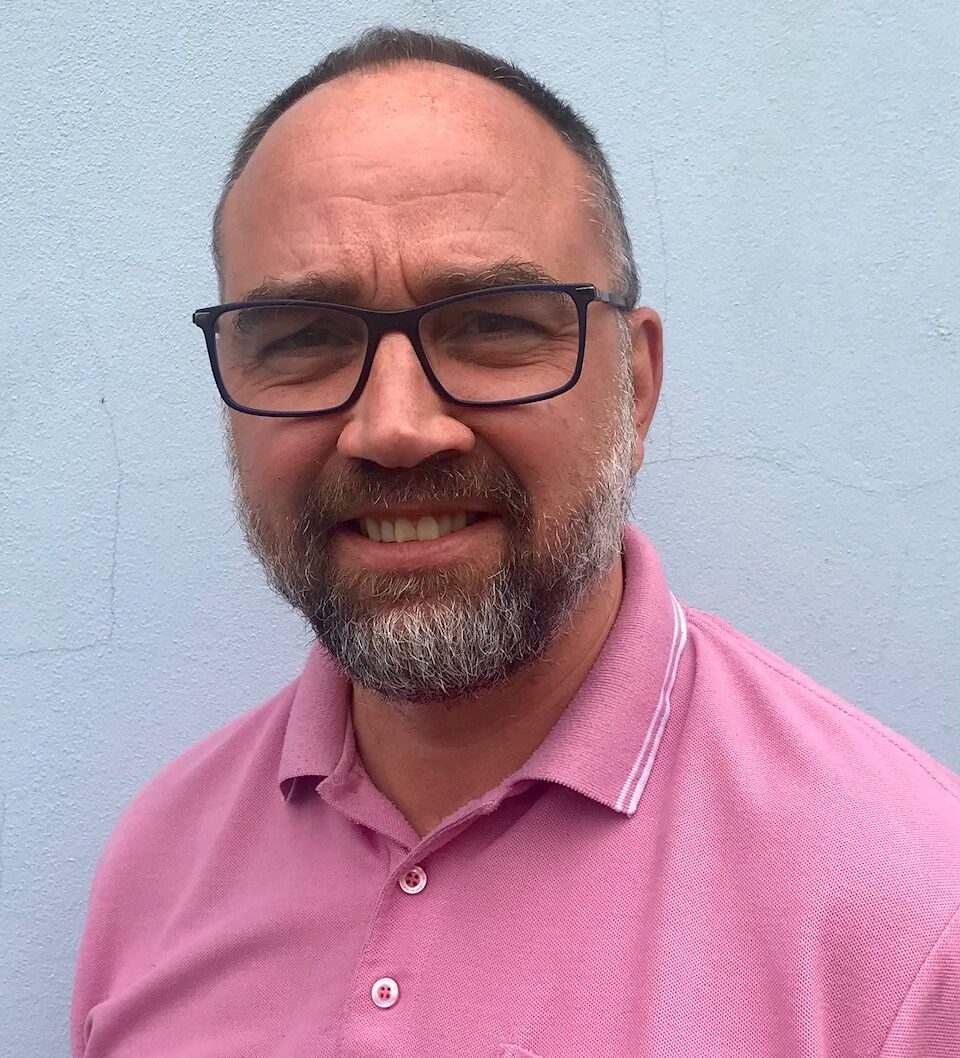
A headshot photo of Nick Hudd

Having recently completed my first Estyn inspection of a local authority youth service, as a Peer Inspector, I’ve taken time to reflect on what was a challenging, inspiring, and professionally enriching experience.

Following the initial peer inspector training, I felt confident in my understanding of the process, particularly how to review evidence in the Virtual Inspection Room ahead of the visit. This early insight proved invaluable as I moved into the on-site phase, where meetings, discussions, and observation visits brought the data to life and enabled me to contextualise the provision in practice.

As a youth work practitioner with over 20 years of experience, I was pleased to find that my fellow inspectors recognised the value of my sector knowledge and frontline insight. The inspection team worked collaboratively, and I felt genuinely respected as a peer whose contribution strengthened the overall inspection process.

The inspection itself was rigorous, transparent, and well-structured. Admittedly, I was initially nervous about navigating the administrative aspects accurately, but the support and guidance from the whole Estyn team was both clear and encouraging. I was consistently reassured that my role was not to become an HMI, but rather to bring my practitioner lens to the work. Something that made the experience both manageable and meaningful.

I believe that Estyn’s role in inspecting youth work provision is not only beneficial, but essential. It supports the continuous improvement of services, enhances the quality of provision for young people, and offers valuable learning opportunities for practitioners.

Personally, the experience deepened my own understanding of youth work in different contexts, broadened my professional perspective, and reinforced the power of collaboration and reflective practice in driving positive change. I would wholeheartedly recommend becoming a peer inspector to any experienced practitioner seeking to make a wider contribution to our field.

Did you know that you can visit our website to register your interest for future recruitment rounds relevant to your experience?

Find out more here.

You can find out more about our work in the Youth work sector here.

Postiadau Diweddaraf


A report published today by Estyn evaluates the effectiveness and impact of the lead worker role in assisting at-risk young people through their transition into post-16 education, training, or employment.  

Where it works well, Estyn’s report highlights that this role can be a consistent and reliable presence, providing personalised support for the most at-risk young people to help them remain in, or to enter education, training, or employment. Estyn’s report however highlights that young people’s needs are increasingly complex and leaders and managers in local authorities faced challenges in meeting the scale of need and assessing the type of support required.  

Local collaboration to support the lead worker role varied, with the best cases involving strong representation from relevant agencies and leaders committing to information and data sharing. However, in many cases there were challenges due to anxieties and a lack of understanding about what personal information about young people’s needs and background could and could not be shared.  

Owen Evans, Chief Inspector says: “The lead worker role is intended to provide a consistent support service to at-risk young people as they enter post-16 education, training, or employment. We are aware that both referrals and the complexity of needs are increasing but young people need more continuity in the support they receive.

“Educational bodies must develop ways to measure the success of their work to prevent young people becoming disengaged from education, employment, or training (EET). Better data sharing about the circumstances of individual young people to facilitate stronger collaboration between all partners, including education and training providers, will enable young people to receive more relevant and timely support.

“We recommend that improvements be made to post-16 transition support by ensuring continuity of a young person’s lead worker until 31st January following a young person’s move into their post-16 destination, whether this is in school, at college, with a training provider, or employment.”  

Janine Bennett, author of the report, says: “In a young person’s life, the lead worker often serves as the only consistent and reliable presence. Our research shows that they played a pivotal role in providing young people with personalised support in relation to their current situation and accessing progression opportunities. Our report found however that whilst transition activities into post-16 colleges were typically well-structured, collaboration between post-16 providers and lead workers was often lacking once a young person enrolled, with many training providers being unaware of the lead worker role and its benefits.”

This report is based on evidence gathered through a series of visits to eleven local authorities, nine secondary schools, five colleges, five training providers, and the Careers Wales teams. The report brings together insights, examples of effective practice and several recommendations. 

Postiadau Diweddaraf


It’s been a while since youth work was formally inspected. Work to develop a standalone form of youth work inspection by Estyn is underway and youth work inspection will be reintroduced from late 2024. The reintroduction of inspection follows the introduction of the Youth Work Quality Mark for Wales. In this blog, we will explain what inspection is and how the Youth Work Quality Mark complements it.

Youth work has been considered as part of local authority inspections, but introducing a stand-alone inspection for the whole of youth work will help to highlight the important contribution this education field is making to the lives of young people in Wales. It will also help to underline the legislative basis for youth work, including its statutory basis, and the importance of maintaining a vibrant voluntary youth work sector.

Estyn colleagues, along with representatives from across the youth work field, are in the process of refining the detail of what inspection will actually look like. A process which will continue until the pilot inspections are completed in early 2024. This collegiate approach will ensure that the inspection process is supportive and meaningful, as well as being a key driver for service improvement.

When we work with young people, the quality of our interventions are often hard to define. That moment of engagement, when a young person has turned an emotional corner, grasped an opportunity, or worked out a solution to a problem are the highs in many youth workers’ careers.

These moments are often the result of many hours of planning, reflection, development, or change. Listening and responding to young people is critical. These breakthroughs are examples of the principles and values of youth work making a real difference to a young person. Sometimes, the youth work sector itself generalises this by justifying it as ‘just part of the job’.  We must not lose sight of the fact that youth workers often go that extra mile to help and support young people. These moments, and the preparation for them, should be celebrated. Understanding and evaluating the impact of the work we do is a crucial part of self-evaluation and supports organisations to further improve their youth work.

High-quality youth work has a crucial role to play in supporting many young people to achieve their full potential and successfully negotiate key transitions between the ages of 11-25. Through informal and non-formal educational approaches, effective youth work practice builds the capacity and resilience of young people, and can change their lives for the better. Through participation in youth work, young people gain confidence and competence, develop self-assurance, and have the opportunity to establish high expectations and aspirations for themselves.

The Quality Mark for Youth Work in Wales enables organisations to celebrate these moments, and the hard work and endeavour it takes to achieve them. It aids service improvement through reflection and review. The voluntary nature of this process demonstrates a commitment to excellence via a route of self-assessment and peer assessment. Achieving the Quality Mark brings many benefits to organisations. Most notably, having a badge of excellence which shows you they are truly delivering a service to young people which you, your peers, and Wales can be proud of.

Youth work inspection will enhance the recognition of youth work in the eyes of those with significant influence, such as the Welsh Government, senior management of organisations, external funding bodies, and others. Inspection in particular aims to have this kind of influence on the education field, inside local authorities, schools, the FE sector, other employers, government, unions and funders. This is achieved by promoting the status of youth work alongside other education professions.

The intention is that the reintroduction of inspection provides public scrutiny and recognition. In turn, it is hoped that this will raise the profile of youth work, providing the whole field with a platform for improvement and opportunity. All statutory education services, and their governance bodies, are required to be publicly accountable via the inspection process, including local authority youth services. Voluntary sector youth work groups will also be included.

Inspection also provides public feedback on youth work for young people and the wider community about the youth work happening in their area. The Quality Mark assessment does not result in a published report, but inspection will. However, both will be focused on highlighting innovation and good practice. Any concerns arising are highlighted in a supportive and empowering way to help organisations provide the best possible services for young people.

The Quality Mark has a self-assessment element which is available for all youth work organisations in Wales to use regardless of their size, where they receive their funding, or whether they then take the step to being externally verified. Estyn will use the self-assessment and improvement planning processes that organisations already have in place as the starting point for inspection and providers won’t be expected to produce any additional documentation before an inspection.

Because of the legislative requirement to inspect youth work, the main key difference between Quality Mark and inspection is that the Quality Mark is voluntarily applied for, whilst inspection is mandatory.

Like the Quality Mark, the inspection process will involve uploading evidence to a virtual area. Estyn will also provide a number of guidance documents with the provider in the same way. There is no expectation that providers prepare documentation specifically for inspection, only to share their internal reporting and quality assurance reports. The process for assessing the Quality Mark and the inspection process helps to focus on the importance of effective self-evaluation. Inspection can be seen as a way of validating the types of service improvement that were prompted and encouraged by Quality Mark assessment. During an inspection, inspectors primary evidence base comes though meetings with young people, youth workers, and other key partners, and observing first hand youth work happening.

Like the Quality Mark, Estyn’s inspection teams will include experienced current youth work practitioners who are trained as peer inspectors. This role is valued by practitioners and peer inspectors say that their experiences on inspection are really useful professional development. Opportunities for practitioners to train as peer inspectors will be advertised on Estyn’s website.

The Quality Mark and inspection processes can support an organisation’s own self-evaluation and quality improvement processes, helping to demonstrate the effectiveness and commitment of our youth workers and volunteers. They also help ensure that youth work in Wales is high quality, making an impact on young people’s lives and that of their communities.

Postiadau Diweddaraf


With a new inspection cycle starting in September 2024, we’re keen to hear your views on how we can best design and deliver our arrangements. The changes we adopt will build on the work we’ve already undertaken to evolve our practices.

Our aim is to bring external inspection and providers’ internal evaluation processes closer together. Better alignment of these processes will help support our ambition to improve the quality of education and training for children, young people, and lifelong learners.

We’ve made significant progress over recent years. The removal of summative judgements; the increased focus on professional dialogue – including through the well-established nominee model; increased discussion with classroom teachers and our inspection reports accompanied by an explanatory version for parents are just a few examples of how we’re evolving our approach. 

You can learn more about how these changes are making a difference by clicking on our Changes to Inspection YouTube playlist.

How our inspection approach is evolving

As we build on our progress, we are considering several ideas and proposals.  We are planning more regular inspections in schools and PRUs and looking to do so in a way which adds value and doesn’t add stress into the system. A model could involve an inspection, accompanied by an additional visit; tailored to the school to evaluate progress. This will mean two visits in a six-year cycle — with the aim of promoting improvement and providing more up-to-date information to parents, carers and pupils.

Involve: We will gather feedback widely — from senior leaders and principals, to teachers, lecturers, classrooms assistants, parents, learners, and the wider community.

Listen: After we hear back from each sector, we will use the feedback to develop a pilot for the new inspection approach for that sector.

Trial & review: Working with a handful of providers from each sector, we will begin to pilot the different inspection approaches. Feedback from these pilots will inform the next stage of development.

Progress to date

In summer 2023, we held public consultations on our inspection arrangements for youth services as well as schools and PRUs. The responses showed support for many of our proposals, for example stand-alone inspections for youth work services. For schools and PRUs the responses indicated support for proposals such as reducing the number of inspection areas from five to three, maintaining the ten-day notice period for an inspection and visiting every independent school at least twice during an inspection cycle.

You can read the full reports of our consultation findings here.

What’s next?

Our draft inspection arrangements are being refined as we hear back from our stakeholders via our consultations. During the autumn term 2023, schools and PRUs will be the first sectors to pilot our draft arrangements, providing us with another opportunity to gather feedback and refine our approach ready for September 2024. 

Also in the autumn term, we will be consulting on our draft inspection arrangements for local government education services, Welsh for adults and post-16 sectors (adult learning in the community, independent specialist colleges and further education).

If you work in these sectors, we are keen to hear your views so please complete the brief questionnaire. These questionnaires will launch 2 October and will remain open until 30 November 2023.

As with earlier consultations, once we have gathered and analysed the feedback, we will refine our proposals and undertake pilots in the spring term ready for the new framework to start in September 2024.

We are publishing all information related to Inspecting for the future (2024-2030) on this webpage, including access to our surveys, analysis of consultation responses and our developing approach and thinking around the new framework.

Postiadau Diweddaraf


Starting a conversation

We know that it can be difficult for some learners to talk openly and honestly about their experiences at school. We want to help, so in secondary and all age inspections we’ve developed a new approach for listening to learners to encourage more meaningful conversations about their experiences in school. 

We adapted our methods as part of our work to gather feedback from learners about “their experiences of peer-on-peer sexual harassment among secondary school learners in Wales”.

What is our new approach?

Learners are at the heart of everything we do, so we:

  • Create a comfortable environment. We invite learners to bring a friend to the session, which encourages them to be open and share with us their experiences in school.
  • Reassure learners that what they talk about will be collected together and key themes will be shared anonymously. We won’t usually share learners’ comments with school staff or anyone else outside Estyn, unless we’re worried about their safety.

Activities

We use a series of activities to open our conversations, including: 

  • Learner voice jars – learners write their views anonymously on post-its, without needing to speak in front of their peers. This is particularly successful when we’re asking difficult questions like ‘Do learners behave well in your school?’ and ‘Do learners get bullied in your school?’. 
  • Stop, start, continue – learners write down what they think their school should stop doing, start doing and continue to do. This could include any aspect of the school, for example teaching, behaviour, and well-being.
  • I want my school to know – learners share information that they think is important for their school to know. It could be an open comment that may be positive or negative, or it could be about a specific inspection area (for example, aspects of the curriculum, safeguarding or pupil well-being).
  • Whiteboards – these can provide an open forum for learners. In “Emoji Madness” learners draw an emoji to explain how they feel about specific aspects of the school’s work. The learners’ responses often lead to more discussion around a topic.
     

    How is it making a difference?

    When learners feel comfortable, they’re more open about their experiences, which gives us a better insight into their views and concerns. Since piloting these approaches, we’ve noticed that a larger proportion of learners are more willing to share their feedback with us. Giving learners an independent voice helps us to drive real change in education in Wales and improvements in our work. 


Postiadau Diweddaraf


Estyn is responsible for checking standards and the quality of education in Wales. We inspect schools and give regular advice about education to the Welsh Government and other relevant organisations. 

We’re totally committed to ensuring that every child in Wales has the right to feel safe in school, to be looked after properly and to have a say in what matters to them. Bullying is an important issue for us, and one we regularly consider through our inspection activity or thematic reports and when we provide guidance for the Welsh Government. 

We’re proud to support the Anti-Bullying Alliance and to promote the 2022 Anti-Bullying Week’s ‘Reach Out’ campaign which takes place from 14 to 18 November.

We recently published a report on a specific type of bullying behaviour which happens between children and young people – peer-on-peer sexual harassment. The report, We don’t tell our teachers, looked at the incidence of peer-on-peer sexual harassment in the lives of secondary-aged young people and also reviewed the culture and processes that help protect and support young people in secondary schools in Wales. 

Many of the pupils we spoke to told us that they don’t ‘reach out’ about bullying and harassment. They said that this is because it happens so often that it has become ‘normal’. However, in our discussions with groups of pupils, we were astounded by their willingness to talk about these issues. We found that around half of secondary pupils say they have personal experience of some form of peer-on-peer sexual harassment, with twice as many girls saying they’ve experienced this compared with boys. Young people told us that peer-on-peer harassment happens more online and 
outside school than during the school day. However, in school, the most common types of harassment are negative comments about appearance, asking for and sending nude photographs and general negative attitudes towards girls and LGBTQ+ pupils.

For the first time ever, we also wrote a report on our findings specifically for children and young people. This is because so many young people had been honest and brave when talking to us about this important issue. In our report, We don’t tell our teachers, but schools need to know – a report for learners, there is a section which encourages and helps people to address these issues in their schools. Through these reports, we hope more young people can find the same courage and ‘reach out’ to help tackle issues of bullying.

We know that ‘reaching out’ is not as easy as it sounds. But we also know that we need to keep talking about bullying. Before the pandemic, we wrote an important blog about this: Why we need to keep talking about bullying

In other reports we have written, we have found that for pupils to feel safe to ‘reach out’ about bullying, they have to be satisfied with how their school deals with allegations of bullying (see Healthy and happy – school impact on pupils’ health and wellbeing). They need schools to not underestimate its prevalence, or to dismiss and ignore everyday incidences where pupils make negative or sexist remarks to each other. In our discussions with young people, we also find that young people would welcome more opportunities to discuss sexuality and healthy relationships and are asking for better provision for sex education. 

We always consider the important aspects of wellbeing, safety and bullying ahead of visiting a school or provider through our pre-inspection questionnaires which we invite all pupils, parents and carers, staff members and governors to complete. We also ask questions around these aspects in parent meetings and in our group discussions with pupils. Establishing how pupils, parents and carers feel about how well a school handles incidents of bullying influences our activity during the visit. This year, we have been trialling different approaches in our conversations with pupils to
ensure they feel comfortable talking to inspectors. These include inviting pupils to bring a friend along with them to meetings and using creative resources produced in association with leading Welsh academics and experts in this field.

Since our inspections resumed in March 2022, we have been taking a closer look at the culture of safeguarding within providers (see Inspecting a school’s safeguarding culture), including when learners are on-site, off-site, and learning online. We do not investigate individual cases, but we consider the quality and delivery of activities designed to promote well-being and prevent negative, harmful behaviour and attitudes. For example, by looking at how providers promote online safety, deliver personal social and relationships education and provide relevant professional learning for staff. We also talk to pupils and staff about processes to keep them safe and review school documents carefully to establish whether the provider’s safeguarding arrangements are promoting pupil safety and well-being effectively. 

We stand together with the Anti-Bullying Alliance and any other organisation that calls out and seeks to tackle bullying. 

To all young people we say: report any issues to school staff, a family member, or an adult you trust, and don’t be afraid to talk about it – whatever it may be. Reach out and sort out. 

For more information on the work of Estyn visit www.estyn.gov.wales 

Follow Estyn on Twitter https://twitter.com/EstynHMI

Postiadau Diweddaraf


Annual Report summary findings 2021-22

This year, for the first time, we have published our summary findings early in the autumn term on what we’ve learnt from our inspection and engagement work with schools in the previous academic year. To support schools, we have recently published a set of self-reflection prompts for primary school staff. These provide a useful tool to aid staff discussion around the effectiveness of their school’s approach to embedding the Four Purposes. To support this further, I want to reflect on some of the features of the most effective practice inspectors have seen during their engagement and inspection activity in recent years. 

What works well?

The most effective schools ensure that their curriculum is driven by clear a purpose and a sound understanding of the skills, attributes and characteristics they want their pupils to acquire by the time they leave the school. To achieve this, they understand that how they teach, and why they teach what they do, is just as important as the content of the curriculum. 

Although the language is relatively new, we know that developing the characteristics defined within the Four Purposes has been a priority for effective schools for many years, and inspectors have reflected this in their reports over time. Our most recent inspection framework, as outlined in ‘What we inspect’, makes specific reference to the Four Purposes and uses much of the same language. However, previous frameworks have also recognised the importance of positive attitudes to learning, the development of pupils as active and considerate citizens and the development of attributes, such as confidence, resilience and empathy. 

The most effective schools recognise the need to build on their existing strengths and ensure that their approach is driven by a thorough understanding of the needs of their pupils and their context. One size does not fit all and, as with many aspects of school improvement, what works well for one school may not be appropriate for another. However, our in-depth engagement with schools across Wales allows us to draw some general conclusions about what works best when working to embed the Four Purposes in your school.
 

Leaders

  • Organise purposeful opportunities for all staff to work together to develop a shared understanding of what the Four Purposes mean in their school and how they aim to reflect this in teaching and learning
  • Build purposeful consideration of the four purposes and the school’s shared understanding of what these look like in their context, into their self-evaluation processes and use this to support improvement planning
  • Prioritise the aspects of the Four Purposes that are most relevant to their school, its pupils and their context
  • Realise that developing pupils as ambitious, creative, ethical and healthy citizens has always been a feature of effective schools and this means that they work with staff to build on existing strengths
  • Recognise the importance of effective assessment for learning (AfL) techniques in embedding many of the attributes contained within the Four Purposes, ensure that staff have a sound understanding of how and why AfL is effective and use these strategies to support pupils to develop as self-aware learners
  • Ensure that professional learning supports staff to fully understand the principles of metacognition that underpin effective learning and many aspects of the Four Purposes
  • Work effectively with receiving secondary schools to ensure a shared understanding of longer-term goals and to support transition
  • Engage effectively with parents to ensure that they understand the benefits of developing the Four Purposes with pupils, the school’s approach and how they can best support their children
  • Always focus clearly on how new initiatives impact on pupils.
     

Teachers

  • Collaborate to plan for the growth of these attributes in pupils in developmentally appropriate ways as they move through the school
  • Are clear about the purpose of their teaching in lessons and over time and understand how this fits in with the longer term goal of developing learners that embody the four purposes
  • Develop an understandable and relevant language of learning that is not limited to the terminology of the four purposes, but is expressed in a way that is developmentally appropriate to their pupils (child friendly language)
  • Carefully consider the best activities to develop the four purposes in both the short and long term and work purposefully with pupils to integrate their ideas where appropriate 
  • Reflect on how well pupils are developing these attributes and use their findings to inform future teaching and learning.
     

All staff

  • Recognise when pupils demonstrate these attributes and provide praise and encouragement to support pupils to recognise them in themselves and others
  • Recognise that the embedding of these attributes is a long and progressive journey and have a shared understanding of the characteristics, learning attributes and behaviours that pupils will demonstrate by the end of their time in the school.
     

What works less well?

As well as those positive aspects outlined above, inspectors have also identified practice that is less effective. Much of this involves the use of superficial strategies that have little impact on outcomes for pupils and where staff do not have a clear understanding of what they are trying to achieve. Often, it also involves schools skipping the important initial stages of developing a shared understanding of what the Four Purposes look like for their pupils, in their context. It also includes, focusing too much on individual purposes in one-off lessons, developing bureaucratic tracking systems and overly praising pupils for limited progress against the purposes in individual lessons, for example focusing on ‘being ambitious’ in a single lesson or, ‘being creative’ in another, rather than developing an ethos of learning where pupils develop and apply a range of attributes and skills, where relevant, in lessons and over time.

Further reading

Postiadau Diweddaraf


In our role as inspectors, we have the privilege of visiting and engaging with education providers across the country. This allows us to develop a national perspective on what is happening in education and training in Wales and every year we reflect our findings in the Chief Inspector’s Annual Report.  

We know from our engagement with stakeholders and from the findings of ‘A Learning Inspectorate’, that the Annual Report is valued by stakeholders as a credible source of evidence on the strengths and areas for improvement in education and training. We are also aware that we could make these findings more accessible and useful to stakeholders.  

Below, we look at some of the ways we will improve how we share the information contained within our annual report. We want to deliver timely and relevant messages that offer value to the education sector and can drive improvements. 

Timely and relevant

To ensure that our messages are as up to date as possible, this year there will be two phases to the publication of our Annual Report findings.  

As a first phase, we will share our interim findings at an early stage in the autumn term. These will be brief summaries of the key messages from our engagement and inspection activity. They will provide stakeholders with a clear and timely picture of what is working well and what needs improving across each sector and across the wider education landscape in Wales.  

In January, as a second phase, we will publish the full Annual Report. This will build on the interim findings and be a more detailed report describing the ‘state of play’ of education and training in Wales and indicating ways forward.

Increasing engagement

Sharing our messages

Have your say

We are keen to find out what you think about these developments and to hear your ideas about other ways that